What should a service business website include?
The strongest service websites reduce uncertainty and make expertise easier to evaluate before a prospect starts a conversation.
The short version
A service business website should clearly identify the customer and problem, explain each meaningful service, show who provides it, present relevant proof, answer practical concerns, establish location or service area, and offer an obvious next step. Every section should support discovery, trust, qualification, or enquiry.
Start with the customer decision
Visitors rarely arrive wanting to study the company structure. They want to know whether the service fits their problem, whether the provider is credible, what happens next, and whether making contact is worthwhile.
The homepage should orient them quickly, while dedicated service pages provide enough detail for specific needs and searches.
- Who the service is for
- The problem or outcome
- What is included and excluded
- Why the approach is credible
- How the process works
- The next useful action
Proof should match the claim
Testimonials are stronger when they describe the work and outcome rather than generic satisfaction. Case studies should explain the starting problem, decisions, implementation, result, evidence date, and limitations. Qualifications, experience, real photographs, and external profiles can support the same trust decision.
Do not publish unsupported rankings, invented statistics, or anonymous reviews. Specific first-party evidence is more useful to customers and provides clearer source material for search systems.
Pages most service businesses need
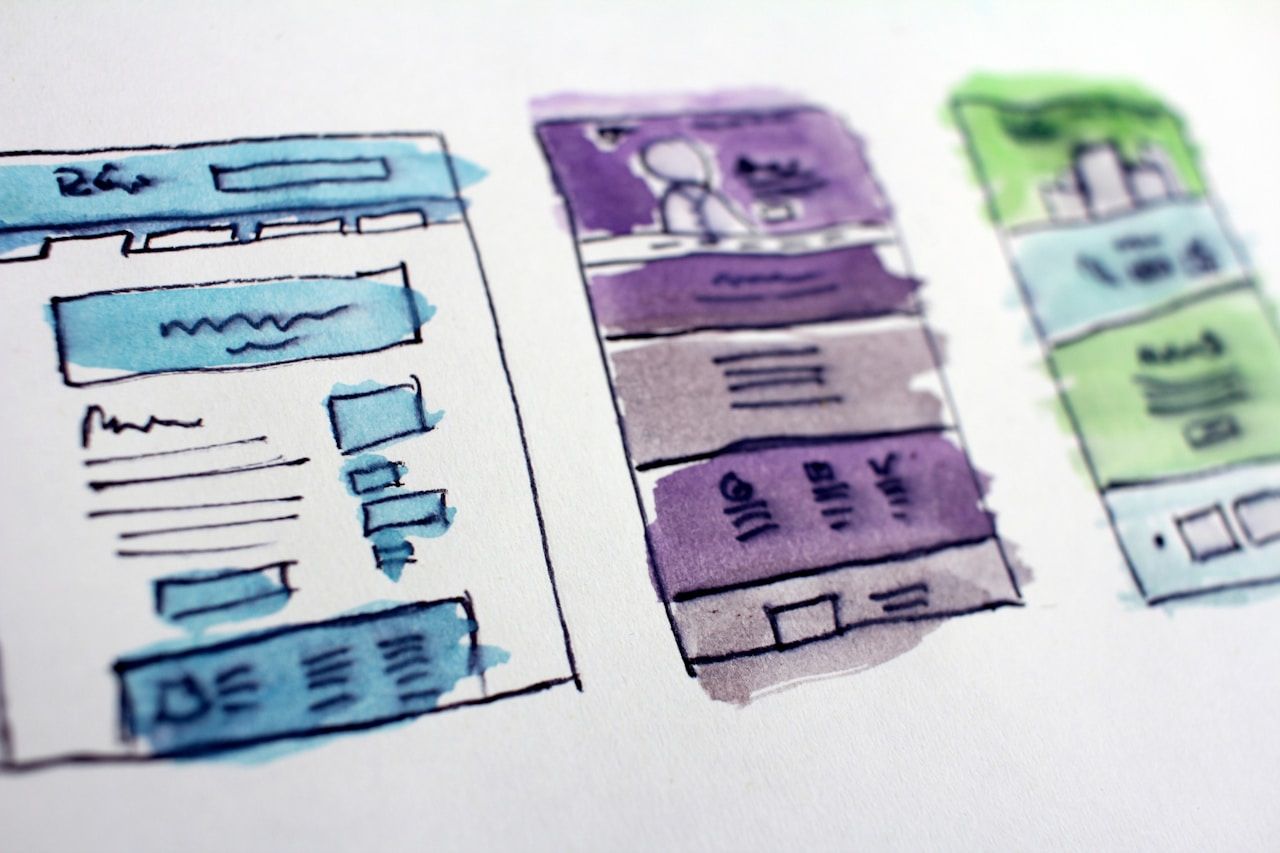
The exact architecture depends on search demand and service complexity, but most businesses benefit from a focused homepage, distinct service pages, About page, proof or case studies, useful FAQs, and a contact pathway. Location content should reflect real service areas rather than copied suburb pages.
Make enquiry easier to complete
Ask only for information that improves the first response. Explain what happens after submission, how quickly the business normally replies, and offer an alternative contact method. Test the form regularly and connect it to a reliable follow-up workflow where appropriate.
Related questions
Should every service have a separate page?
Use a separate page when the service has distinct customer intent, scope, questions, and enough useful content. Avoid thin pages created only to target slight keyword variations.
Does a service website need a blog?
It needs useful supporting content, but it does not need frequent generic posts. Publish guides when they answer real customer questions and support a relevant service.